
Which is Better an African Grey or Green Cheeked Conure?

When choosing between an African Grey and a Green Cheeked Conure, it's important to think about several aspects such as intelligence, care needs, and behavior. African Greys are incredibly smart, often mimicking speech and needing lots of mental stimulation to stay happy. They can be more reserved and might not get along with other birds easily.
In contrast, Green Cheeked Conures are playful, sociable little birds that generally require less attention each day. They're great for families due to their affectionate nature and adaptability with other pets. Ultimately, the decision should reflect your lifestyle and what you want in a feathered friend.
Overview of African Grey Parrots
Credits: africageographic.com
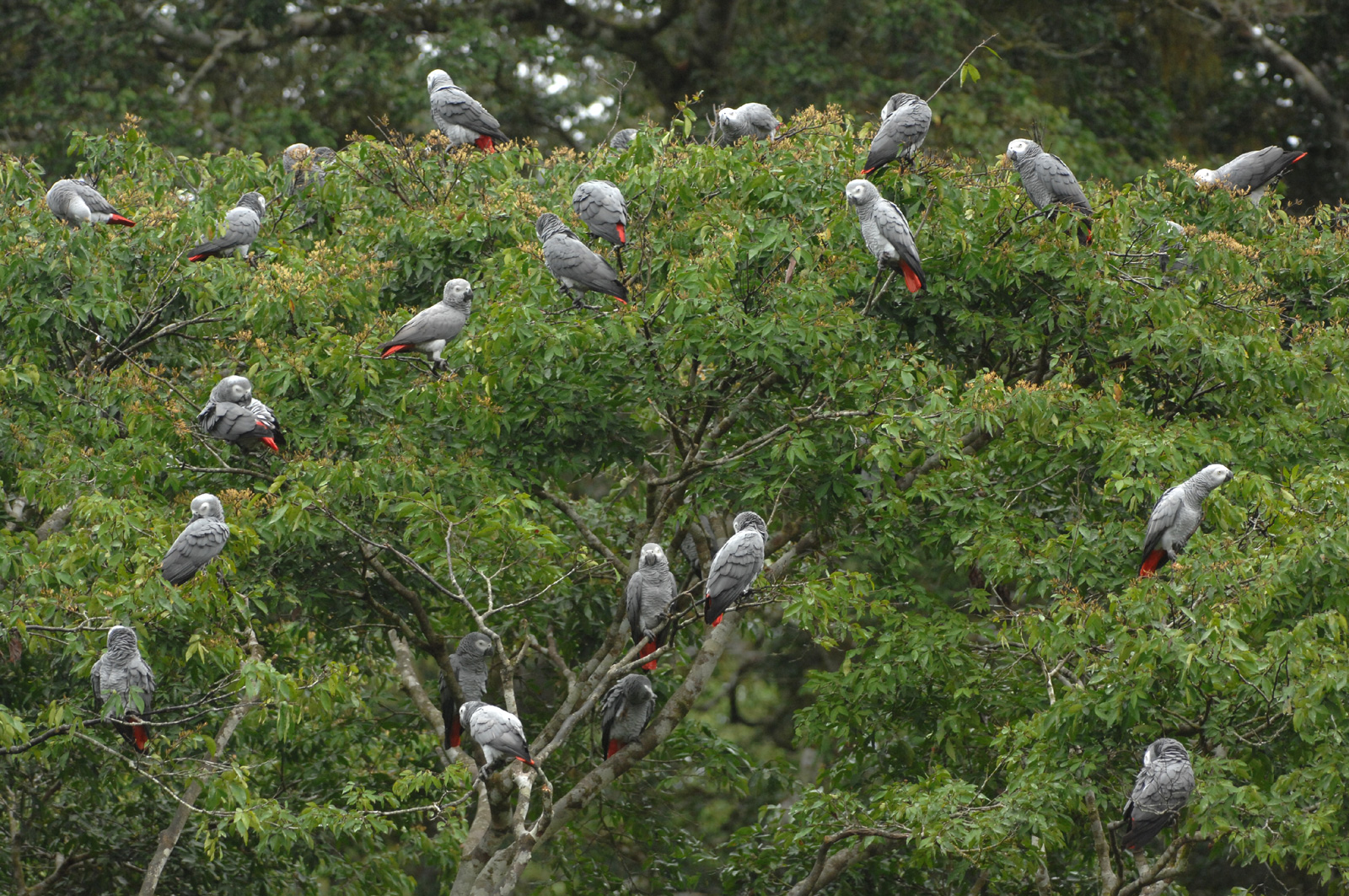
African Grey parrots are renowned for their remarkable intelligence, often regarded as the smartest of all bird species. They can develop extensive vocabularies and are known for their ability to understand context, enabling them to engage meaningfully with their owners. This intelligence makes them highly interactive companions, but it also means they require a lot of mental stimulation. Their temperament tends to be more reserved and sensitive, which can lead to boredom or depression if they are not sufficiently engaged.
With a lifespan of 30 to 50 years, they are a long-term commitment that demands dedicated care. Daily interaction requirements are around five hours, and they thrive on a diet rich in fresh fruits, vegetables, and high-quality pellets.
Socially, African Greys can bond deeply with their owners, but they may exhibit territorial behavior towards other bird species, necessitating careful introductions and supervision.
Overview of Green Cheeked Conures

Credits: wikihow.com
Green Cheeked Conures are small, lively birds known for their playful and affectionate nature. They typically measure about 10 inches in length and come in a variety of colors, with their most common being a mix of green, blue, and yellow. These birds are quite social and thrive on interaction, making them great companions for families or individuals who can dedicate some time to them.
While they are not as gifted in speech as African Grey parrots, they can learn a few words and tricks, and their charming personalities often shine through their playful antics. Their playful behavior includes climbing, swinging, and exploring, which keeps them active and engaged. Green Cheeked Conures generally require a moderate amount of care, needing around 2 to 3 hours of interaction each day. This makes them more manageable for first-time bird owners or those with a busy lifestyle.
Additionally, they enjoy a varied diet that includes high-quality pellets, fresh fruits, and vegetables, ensuring they remain healthy and happy. Overall, these birds are known for their sweet disposition, making them a delightful choice for many bird enthusiasts.
Intelligence and Training Comparison
:strip_icc()/facts-about-african-grey-parrots-390715_Final2-resized-eb37a4cb7f244b3cb4f6b1818d6b4ee6.jpg)
Credits: thesprucepets.com
African Grey parrots are often considered the most intelligent of all parrot species. They can learn a vast vocabulary and even understand the context of words and phrases. For instance, an African Grey might learn to say "Hello" when you enter the room and "Goodbye" when you leave, showing their ability to connect speech with actions. This high level of intelligence makes them highly trainable, but it also means they require a lot of mental stimulation to keep them engaged. If they are not challenged, they can become bored and develop behavioral issues.
On the other hand, Green Cheeked Conures, while clever in their own right, generally do not match the African Grey's ability for speech and comprehension. They can learn simple tricks and a few words, but their training sessions might not yield as impressive results. For example, a Green Cheeked Conure might learn to step up onto your finger or perform a simple trick like rolling over, but it is less likely to engage in complex conversations.
In terms of training style, African Greys often require a more structured approach, with consistent repetition and positive reinforcement. Green Cheeked Conures, being more playful, may benefit from a fun and spontaneous training environment where they can engage in play while learning. This difference in training needs reflects their distinct personalities and intelligence levels.
African Greys are known for their remarkable ability to learn and mimic human speech.
Green Cheeked Conures can also learn a few words but are generally less vocal than African Greys.
African Greys often require more mental stimulation to keep them engaged and prevent boredom.
Green Cheeked Conures are playful and energetic, enjoying interaction through playtime and bonding.
Training an African Grey can take more time and patience due to their complex personalities.
Green Cheeked Conures are usually easier to train, making them more suitable for novice bird owners.
Both species benefit from positive reinforcement techniques during training.
Behavior and Interaction Differences
African Grey parrots often exhibit a more reserved personality compared to Green Cheeked Conures. While Greys can form strong bonds with their owners, they may take longer to warm up and might require patient interaction to build trust. For instance, an African Grey might prefer sitting quietly near its owner rather than engaging in playful activities. In contrast, Green Cheeked Conures are typically very social and love to play. They often seek out interaction and enjoy doing tricks or playing games, making them ideal companions for families. These conures are known to be affectionate and may even cuddle with their owners, showcasing a more playful demeanor.
Another difference is in their reactions to new environments or people. African Greys can be wary and may take time to adjust, while Green Cheeked Conures usually adapt quickly and are more likely to engage with newcomers. If you have children or other pets, a Green Cheeked Conure might handle the hustle and bustle better than an African Grey, which might feel stressed in a busy household.
Overall, if you're looking for a bird that thrives on interaction and playful behavior, the Green Cheeked Conure is likely the better choice, while an African Grey requires a more dedicated and calm environment.
Noise Levels of Each Bird
When considering noise levels, African Grey parrots are generally quieter compared to many other parrot species but can still be quite vocal. They often make a variety of sounds, including whistles and chirps, particularly when they are seeking attention or feel bored. Their vocalizations can sometimes be loud, especially if they are mimicking sounds or calling for their owners.
On the other hand, Green Cheeked Conures are known for their playful and spirited nature, which translates into a variety of sounds. They can be quite noisy, often engaging in lively chatter, whistles, and playful squawking.
While their noise is usually more of a cheerful banter than a distressing call, it can still be significant, especially in a quiet home. If you live in an apartment or a noise-sensitive environment, the Green Cheeked Conure's vocal tendencies might be something to consider.
Space and Housing Needs
Both African Grey parrots and Green Cheeked Conures require spacious cages, but their specific needs differ significantly. African Greys, being larger and more active, need larger enclosures to ensure they have enough room to move around comfortably.
A cage size of at least 24" x 36" x 48" is recommended for them, along with plenty of perches and toys to keep them mentally stimulated. On the other hand, Green Cheeked Conures can thrive in slightly smaller cages, with dimensions around 24" x 24" x 36" being sufficient.
However, they too need space to play, so adding play gyms or safe areas outside the cage can enhance their environment. It's important to note that both species benefit from regular out-of-cage time to exercise and socialize, which helps prevent boredom and promotes a healthy lifestyle.
Cost of Ownership
The cost of ownership for an African Grey parrot is generally higher than that of a Green Cheeked Conure. An African Grey can cost anywhere from $1,000 to $3,000 or more, depending on factors like age and breeder reputation. Their care also tends to be more expensive, as they may require specialized veterinary care and a more varied diet rich in fresh fruits, vegetables, and high-quality pellets. In addition, their larger cages and toys designed to engage their intelligence can further increase costs.
On the other hand, Green Cheeked Conures are more budget-friendly, usually ranging from $200 to $600. Their ongoing care costs are lower, as they don't require as much interaction or specialized care. Basic toys and a suitable cage for a Green Cheeked Conure are also generally less expensive. This makes them a more affordable option for families or first-time bird owners.
Overall, while both types of birds come with their own costs, potential owners should prepare for a significantly higher financial commitment if they opt for an African Grey.

Suitability for Beginners
African Greys are generally not the best choice for first-time bird owners. Their complex emotional needs and sensitivity can make them challenging to care for, requiring a dedicated owner who can provide ample interaction and mental stimulation.
For example, if an African Grey feels neglected, it may develop behavioral issues such as screaming or feather plucking. On the other hand, Green Cheeked Conures are often recommended for beginners. Their friendly and playful nature makes them easier to handle and train. They adapt well to various living situations and typically require less interaction to thrive. Families with children often find Green Cheeked Conures to be a great fit, as they enjoy playtime and can bond easily with different family members.
Frequently Asked Questions
1. What are the main differences in personality between African Greys and Green Cheeked Conures?
African Greys are known for being very intelligent and can be reserved, while Green Cheeked Conures are playful and social.
2. How much social interaction do African Greys and Green Cheeked Conures need?
African Greys require a lot of attention and mental stimulation, while Green Cheeked Conures enjoy socializing but may be more independent.
3. Which bird tends to be louder, an African Grey or a Green Cheeked Conure?
African Greys can be quite loud and may mimic sounds, while Green Cheeked Conures are generally quieter but can still be noisy.
4. Are African Greys or Green Cheeked Conures easier to train?
African Greys are usually easier to train due to their high intelligence, whereas Green Cheeked Conures can also learn tricks but may take longer.
5. What kind of space do African Greys and Green Cheeked Conures need?
African Greys need a larger cage with more space to move around, while Green Cheeked Conures can adapt to smaller cages but still need room to play.
Conclusion:
Choosing between an African Grey parrot and a Green Cheeked Conure depends on various factors. African Greys are highly intelligent, needing lots of interaction and mental stimulation, making them suitable for experienced owners. They can live for up to 50 years but require more care and attention.
In contrast, Green Cheeked Conures are friendlier, playful, and can fit well in family environments, making them ideal for beginners. They are generally easier to care for, with a lifespan of 20 to 30 years, and require less daily interaction.

Viola R. Daigle
I'm Viola R. Daigle, a dedicated Internet Marketer. I work with WarriorPlus as a Vendor and Affiliate, and I’m also an Affiliate on JVZoo and Legendary Marketer. My passion is to provide honest and detailed reviews of Internet Marketing (IM) products and software. I love helping people choose the right tools and strategies to grow their online business with confidence.


